

is transforming modern manufacturing by improving efficiency, consistency, and safety across production environments. As automation becomes more accessible, many manufacturers are exploring whether robotic systems are the right fit for their operations. As a US manufacturing automation company, we frequently answer questions from businesses considering robotic integration for the first time.
Below are answers to some of the most common questions.
What Is Robotic Integration?
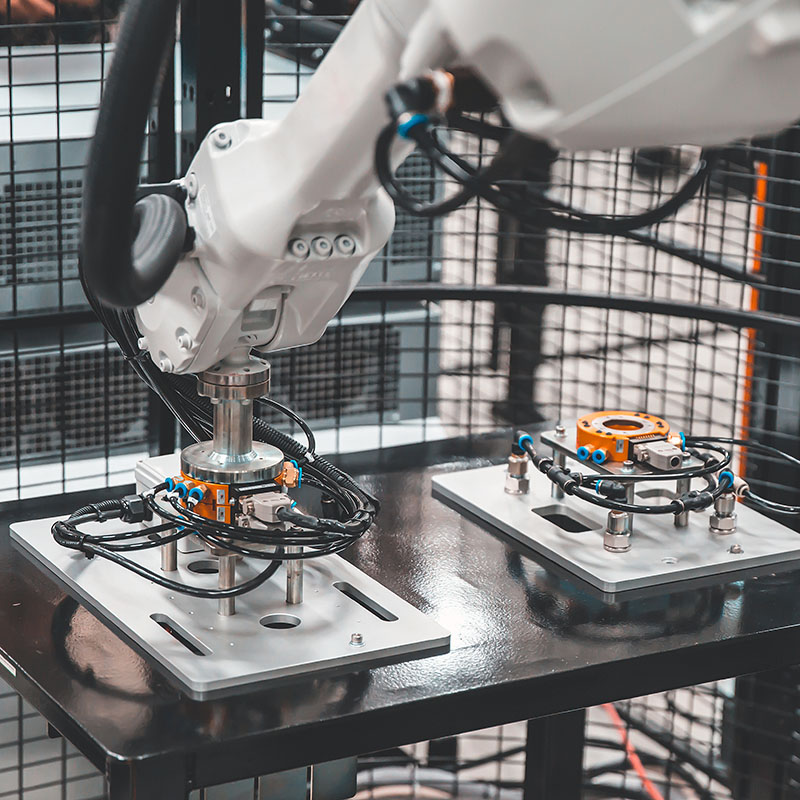
Robotic integration is the process of designing, programming, and implementing robotic systems into an existing manufacturing workflow. This includes selecting the appropriate robot, end-of-arm tooling, sensors, safety systems, and software to perform specific tasks such as welding, material handling, assembly, palletizing, or machine tending. A successful integration ensures the robot works seamlessly with other equipment and processes.
What Industries Use Robotic Integration?
Robotic integration is used across a wide range of industries, including automotive, furniture, packaging, electronics, medical, and new energy resources. Any operation that relies on repetitive, labor-intensive, or precision-driven tasks can benefit from .
What Are the Benefits of Robotic Integration?
The primary benefits include increased productivity, improved product consistency, reduced labor dependency, and enhanced workplace safety. Robots can operate continuously with minimal downtime and perform tasks with a high degree of accuracy. Over time, robotic systems often help lower operating costs while improving overall throughput.
Is Robotic Integration Only for Large Manufacturers?
No. While large manufacturers were early adopters, robotic integration is now accessible to small and mid-sized operations as well. Scalable robotic solutions allow manufacturers to start with a single cell and expand over time. Integration can be customized to fit available floor space, production volume, and budget.
How Long Does a Robotic Integration Project Take?
Project timelines vary based on complexity, but most robotic integration projects follow a structured process. This includes system design, fabrication, programming, testing, installation, and operator training. A simple robotic cell may take a few months, while more complex systems may take longer. Proper planning helps ensure a smooth implementation.
Will Robots Replace Human Workers?
Robots are designed to complement human workers, not replace them. Automation often shifts employees into higher-value roles such as supervision, quality control, maintenance, or programming. By taking over repetitive or hazardous tasks, robots can improve job safety and allow skilled workers to focus on problem-solving and innovation.
What About Safety and Compliance?
Safety is a critical part of robotic integration. Systems are designed to meet industry standards and include features such as guarding, light curtains, safety scanners, and emergency stops. Collaborative robots may also be used in environments where humans and robots work side by side. Proper training and risk assessments are essential components of a safe system.
How Do I Know If Robotic Integration Is Right for My Facility?
The best way to determine if robotic integration makes sense is through a professional assessment of your current processes. Factors such as cycle time, labor challenges, quality requirements, and future growth plans all play a role. A customized approach ensures the solution aligns with your operational goals.