

Consistency is one of the most important factors in automotive manufacturing. Every component must meet strict specifications to ensure vehicle safety, reliability, and performance. Even small variations in assembly can lead to costly quality issues or production delays. For this reason, many manufacturers rely on advanced automation to maintain precise and repeatable processes. By working with our US machine builders, automotive companies can implement automated systems that improve consistency while supporting higher production demands.
Precision and Repeatability in Manufacturing
One of the biggest benefits of automation is its ability to perform the same task repeatedly with extremely high accuracy. Human workers are skilled and adaptable, but even experienced operators can produce slight variations over long production runs.
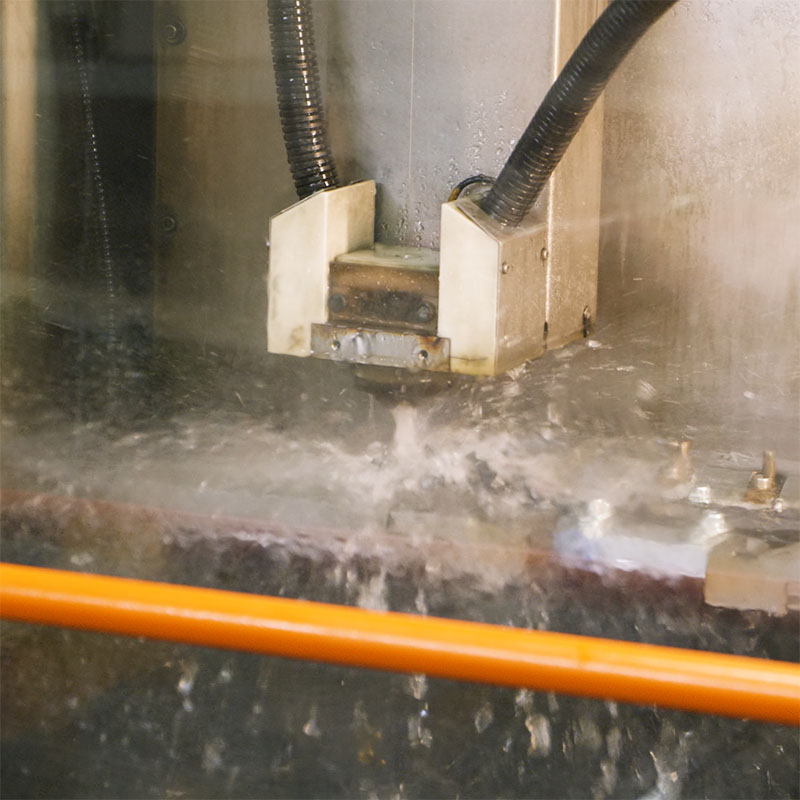
Automated systems, on the other hand, follow programmed instructions that ensure each movement and operation is performed exactly the same way every time. Whether it is fastening components, positioning parts, or applying adhesives, automated equipment helps maintain consistent results throughout the production process.
Reducing Human Error
Human error is a natural part of any manual process. Fatigue, distractions, or simple inconsistencies can sometimes affect production quality. In automotive assembly, even small mistakes can lead to defects that require rework or part replacement.
significantly reduces the potential for these errors. Robotic systems and automated machinery operate according to precise programming and controlled parameters. By minimizing manual intervention in repetitive tasks, manufacturers can reduce variation and maintain higher quality standards.
Maintaining Consistent Cycle Times
Automated assembly systems also improve consistency by maintaining stable and predictable cycle times. In manual processes, production speed can vary depending on operator performance or workflow interruptions.
Automation allows manufacturers to establish a reliable production rhythm. Each cycle of the machine is carefully timed and optimized, ensuring that every step of the assembly process occurs at the same pace. This consistency helps maintain steady production output while preventing bottlenecks in the assembly line.
Improved Quality Control
often integrates advanced sensors, cameras, and inspection systems that monitor product quality in real time. These systems can detect defects, misalignments, or missing components during the assembly process.
When an issue is detected, the system can automatically stop the line or remove defective parts before they continue through production. This level of automated quality control helps ensure that every component meets strict automotive industry standards.
Better Process Standardization
Standardized processes are essential in automotive manufacturing, especially when producing large volumes of parts across multiple facilities. Automation allows manufacturers to replicate the same assembly procedures across different production lines.
Once an automated system is programmed and validated, it can be duplicated or scaled across other manufacturing environments. This ensures that parts are assembled using the same specifications and processes regardless of location.
Supporting High-Volume Production
Automotive manufacturers must produce large quantities of components while maintaining strict quality requirements. Automation helps meet these demands by providing consistent performance across long production runs.
Automated systems can operate continuously with minimal variation, allowing manufacturers to increase output without sacrificing quality. This capability is especially valuable when producing components that must meet exact engineering tolerances.
Enhancing Long-Term Manufacturing Efficiency
Beyond improving consistency, automation also contributes to long-term operational efficiency. With fewer defects, less rework, and more predictable production schedules, manufacturers can reduce costs and improve overall productivity.
Automation also provides valuable production data that helps manufacturers analyze performance and identify opportunities for process improvement.
Recap
As automotive manufacturing continues to evolve, automation plays a critical role in ensuring quality, efficiency, and reliability. By implementing advanced automated systems, manufacturers can maintain consistent assembly processes while meeting growing production demands.